Welcome to the Study of Mindful Aging: Relationships and Thinking (SMART)!
SMART studies the risks for dementia and Alzheimer’s disease. We look at how brain health and social relationships are connected as we age. By listening to middle-aged and older adults from various communities in the US, we hope to improve our understanding of important aspects of aging. Voices from different communities and walks of life are what make SMART meaningful.
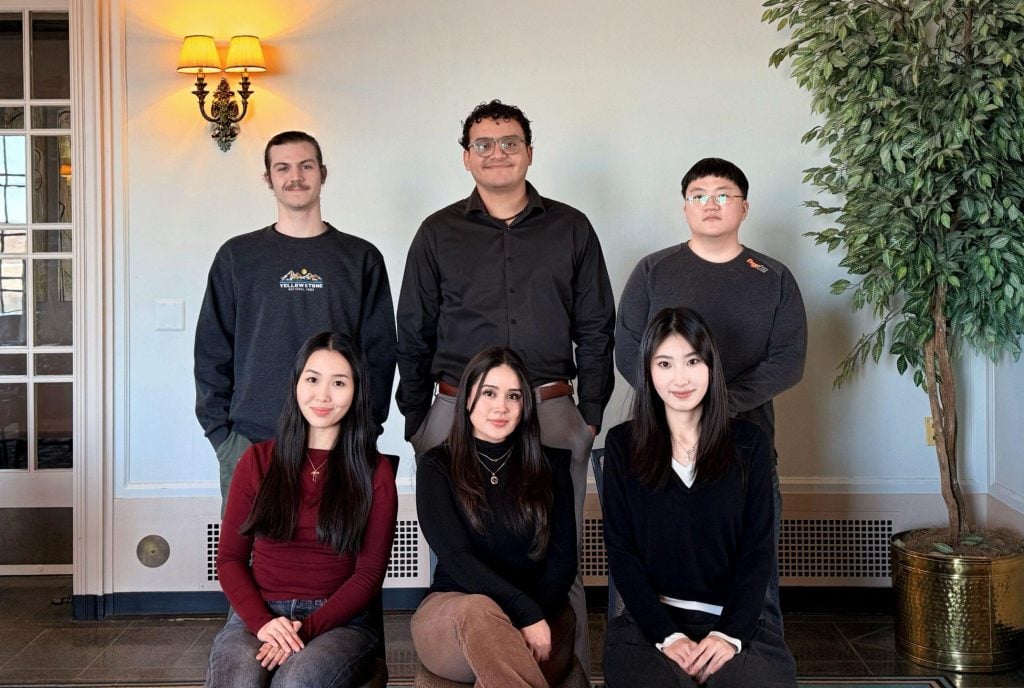
Front Row: Mi Huynh, Stephanie Morales, Beining Niu
Second Row: Caleb Crouch, Felix Baez-Santiago, Jay Kim
Research Assistants (2024-2025)
Front Row: Valeria Castañeda Saucedo, Gloria Zhou, Aya Moughni, Stephanie Morales, Phuong Nghi Nguyen
Second Row: Jackson Notier, Yao Sun, Felix Baez-Santiago, Ali Alsayed Kassem, Jay Kim
Frequently Asked Questions
What do you ask?
SMART covers questions about cognitive health, social connections, other health topics (like chronic conditions), and well-being (such as happiness). Participants find these questions interesting to answer.
Who can participate in SMART?
Anyone aged 40 or older living in the US.
How do I participate?
You need an invitation from someone you know or the SMART team.
The invitation will include a unique code just for you.
If you are interested in participating, pleasecontact us.
What do I get for participating?
You will receive a $30 Incentive for completing SMART. You may also be able to receive additional incentives for inviting other people to join or participating in other SMART activities.
Payments are made via Chase Bank (direct deposit or check). You do not need a Chase account to receive the payment.
How long does it take?
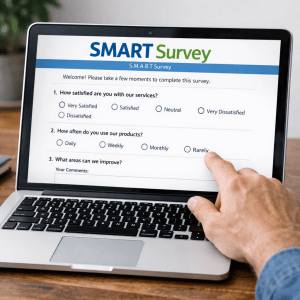
It takes 30-40 minutes to complete the SMART survey.
What is a unique code and do I need it?
Each SMART invitation comes with a unique code. You need this code to take part in the study.
The code can be used only once. Without it, we cannot verify your eligibility or assist you with survey access or incentive issues.
My unique code doesn’t work.
If you’re having issues with your code, please contact us.
Why do you ask me to invite other people?
We ask you to invite others—rather than recruiting from community venues or online platforms—so we can reach people like you beyond those limits. This approach also helps us study whether inviting people through social networks can lead to more complete and fair data.
Your invitations are very important to SMART’s success.
Do you ask for my contact information?
Yes. We ask your name and contact information so that we can send you invitations and process the incentive payments.
Your personal information is protected by strict University of Michigan privacy practices. Only approved research team members can access it.
How will my survey answers be used?
Your answers will become part of a research data set. SMART researchers will study the answers as a group to look for patterns and trends.